Blog

Selling to Out-of-State Buyers? Here’s What They Need to See Before They’ll Book a Showing

Aerial drone photo of a waterfront estate on Long Island Sound
TLDR: A buyer who can’t drive over is deciding on far less direct information than a local one, so your online media has to do the walking for them: a buyer-controlled 3D tour rather than a video that only shows what the camera chose, floor plans that explain how the rooms connect, and photography complete enough to stand in for a visit. Get those three right, and a remote buyer has enough to book a showing or make an offer.

When a local buyer runs into something your photos don’t answer at first glance, the solution is easy enough. They will simply drive past on the way home, or take a quick ten-minute look at the weekend. But a buyer two states away can do no such thing, so everything they will ever learn before committing real money (and a plane ticket) comes from the listing page in front of them.

Knowing how to market a home to out-of-state buyers is less a question of polish than of completeness. Of showing enough that someone who cannot be in the house still feels as though they have lived and breathed it in person, however fleetingly.

The problem is that almost every guide on selling a home to out-of-state buyers is written for the buyer arranging their financing. This one takes the other perspective, that of the seller’s agent. Let’s get to it.

Key Takeaways

  • A Matterport-style 3D tour lets a remote buyer set their own pace and path through the house, which a photographer-directed video cannot.
  • Floor plans give a buyer the spatial flow that photographs, however good, leave them guessing at.
  • Photography has to be more thorough for a remote buyer, because no visit is coming later to cover what you left out.
  • None of this closes the sale by itself. It decides whether a remote buyer books that first showing at all.

Why Out-of-State Buyers Need More Than Standard Listing Photos

Real estate agent conducting a live virtual home tour for out-of-state buyers in a bright, modern living room.

Standard listing photography assumes the buyer will see the rest in person, at some point. On that assumption, a gallery of twenty-five well-lit photos works almost beautifully, because it is the trailer for the main event. And for a local buyer, whatever the pictures fail to show are filled the moment they step through the front door.

The out-of-state buyer never steps through that door, of course. At least, not before deciding whether the house is worth the trip, so each gap in the gallery stays a gap, and an unanswered question hardens into doubt when someone is weighing the largest purchase of their life.

The thin gallery that merely dents a local buyer’s confidence can cost you the remote one altogether, which is why selling a home to out-of-state buyers means treating the listing page as the walkthrough itself, not the advertisement for one still to come.

What to Show a Remote Buyer

Three pieces of media do most of the work with a remote buyer, and each covers something the others can’t. Keep this list beside the listing when you brief a shoot:

  • A Matterport 3D tour. A video follows a single path the photographer set in advance, so the buyer only sees what the camera was pointed at. A Matterport tour hands the controls across, letting them move through the house at their own pace and stop in the doorway they actually care about.
  • Floor plans. A gallery shows you rooms but rarely how those rooms sit in relation to each other, and that flow is often what decides whether a home suits a family. A plan supplies in one image the layout a local buyer would otherwise build by wandering around.
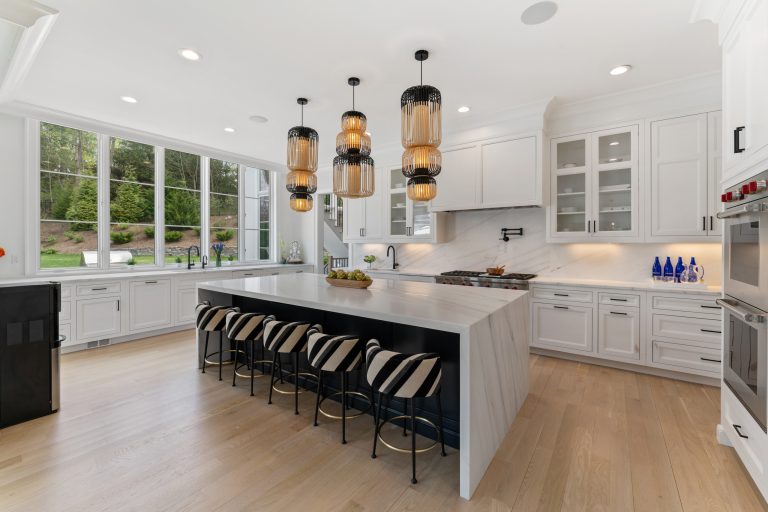
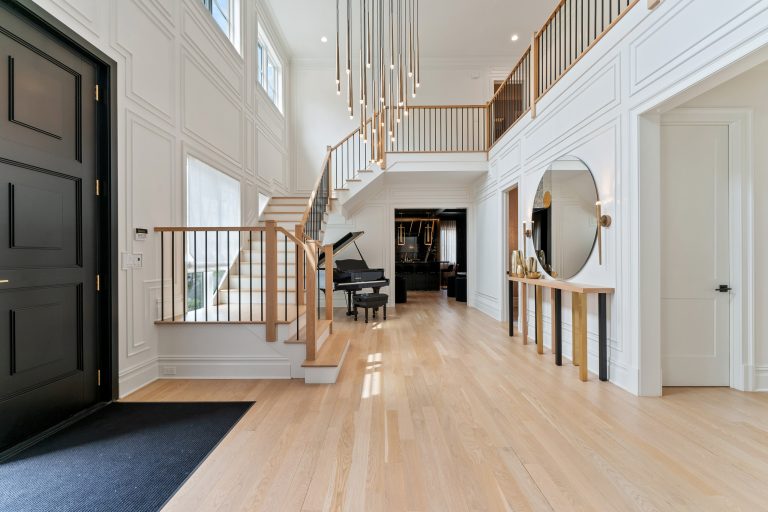
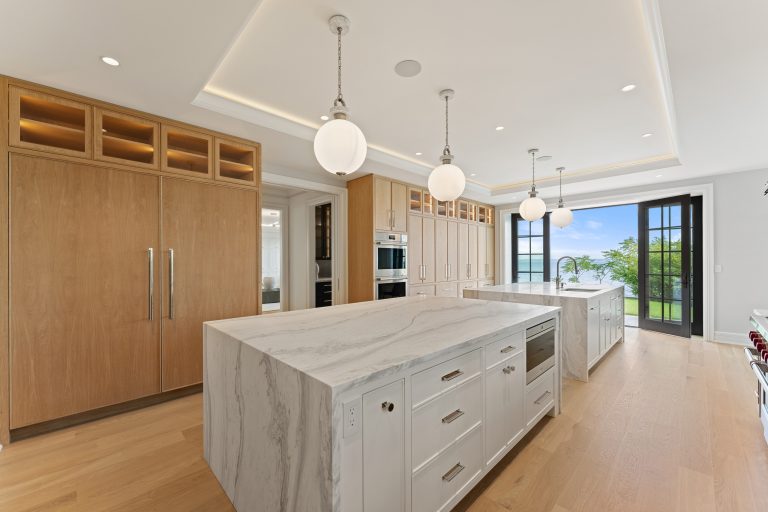
  • A fuller photo set. With no visit coming to fill the blind spots, the gallery needs to range wider than usual, taking in the connecting spaces as well as the showpieces, and enough of the exterior to place the house on its street.

Either way, the general theme running through all three is the same. A remote buyer can’t make up the difference with a quick drive-by, so anything the media leaves out stays a question in their mind, and a buyer with fewer questions left open is the one far likelier to pick up the phone.

This Doesn’t Replace an In-Person Visit, It Gets You to One

Real estate agent welcoming prospective homebuyers for an in-person showing at a suburban home after their initial online search

Be straight with your sellers about what this media can and cannot do. No tour, however immersive, closes a sale on its own, and any serious buyer will still want to stand in the house, or send someone they trust, before the deal is signed; thorough photography services and a strong tour do not pretend otherwise.

What they change is whether that step gets taken at all, because a remote buyer who feels as though they have already walked the home is the one who schedules the showing or puts in an offer, while the one who doesn’t have all the information will probably click the next listing.

See How a Matterport Tour Works for Remote Buyers

Out-of-state buyers decide on what they can see, so the listing that shows them the most tends to win the showing. Anthony plans and shoots every At Home Media listing himself across Westchester, so the tour, the floor plan, and the gallery read as a single property rather than three deliverables that share an address.

Contact Anthony to see how a Matterport tour works for remote buyers, and give your next relocation listing something worth the flight.

Frequently Asked Questions

Can a buyer make an offer without visiting in person?

Yes, and plenty do, usually contingent on a later visit or inspection. Relocation buyers against a tight timeline often commit off a strong 3D tour and floor plan to lock down the home, then confirm in person before closing.

A video follows a fixed path the photographer chose, so the buyer only watches what the camera was pointed at, whereas a Matterport tour is buyer-controlled, letting them move through the house and look wherever they please. For a buyer who cannot visit, that control is the whole point.

More rather than less, because photos show the individual rooms but not how they connect, and that sense of flow is exactly what a remote buyer cannot work out alone. A set of real estate floor plans hands them the whole layout at a glance.

Lead with the media that travels, a 3D tour, clear floor plans, and a full photo set, kept front and center rather than below the fold, and assume the listing itself is the showing.

At Home Media

Need photos for your next listing?

HDR photos, video, drone and floor plans in one visit, delivered within 24 hours across Westchester, Rockland and Greenwich.

Book a shoot

Photos, video, drone and floor plans in one visit, delivered within 24 hours.

Book Now