
17 Sep Is Virtual Staging Worth It? A Realtor’s Guide to the Benefits, Drawbacks, and Best Solutions
| Virtual staging is worth it for most vacant or dated-furniture listings, because it costs far less than physical staging and can be turned around in days rather than weeks. It is not the right call for every property, though. Most buyers will walk through in person before making an offer, and they need to judge the real room proportions with their own eyes. The problem is a digitally furnished photo only takes you so far. |
Every agent has stood in an empty living room and tried to describe how it will feel once someone actually lives there. Buyers rarely see what you see. Staging, whether physical or virtual, exists to close that gap and help people picture themselves at home. The two approaches solve the same problem in very different ways, and picking between them is really a question of what you are willing to trade.
Physical staging gives buyers something real to stand inside, but virtual staging gives them something affordable and fast. Ultimately, that is the deal you are weighing up.
Virtual staging for realtors has become standard practice for vacant homes, and many realtors have adopted it. For others, there may be reasons not to use it. To determine whether virtual staging is worth it for a given property, you have to weigh the benefits of using it, which is what this guide hopes to achieve before pointing you toward a sensible, useful answer.
Key takeaways
- Virtual staging usually costs a small fraction of what physical staging costs, since there is no furniture to rent, deliver, or collect.
- Turnaround is measured in days, not the weeks a physical stage can take to arrange.
- Some buyers feel misled when a listing looks heavily furnished online, but the rooms are empty in person, so clear disclosure protects you.
- It works best on vacant homes and should never be used to hide a real flaw or fudge a room’s true dimensions.
What is virtual staging?
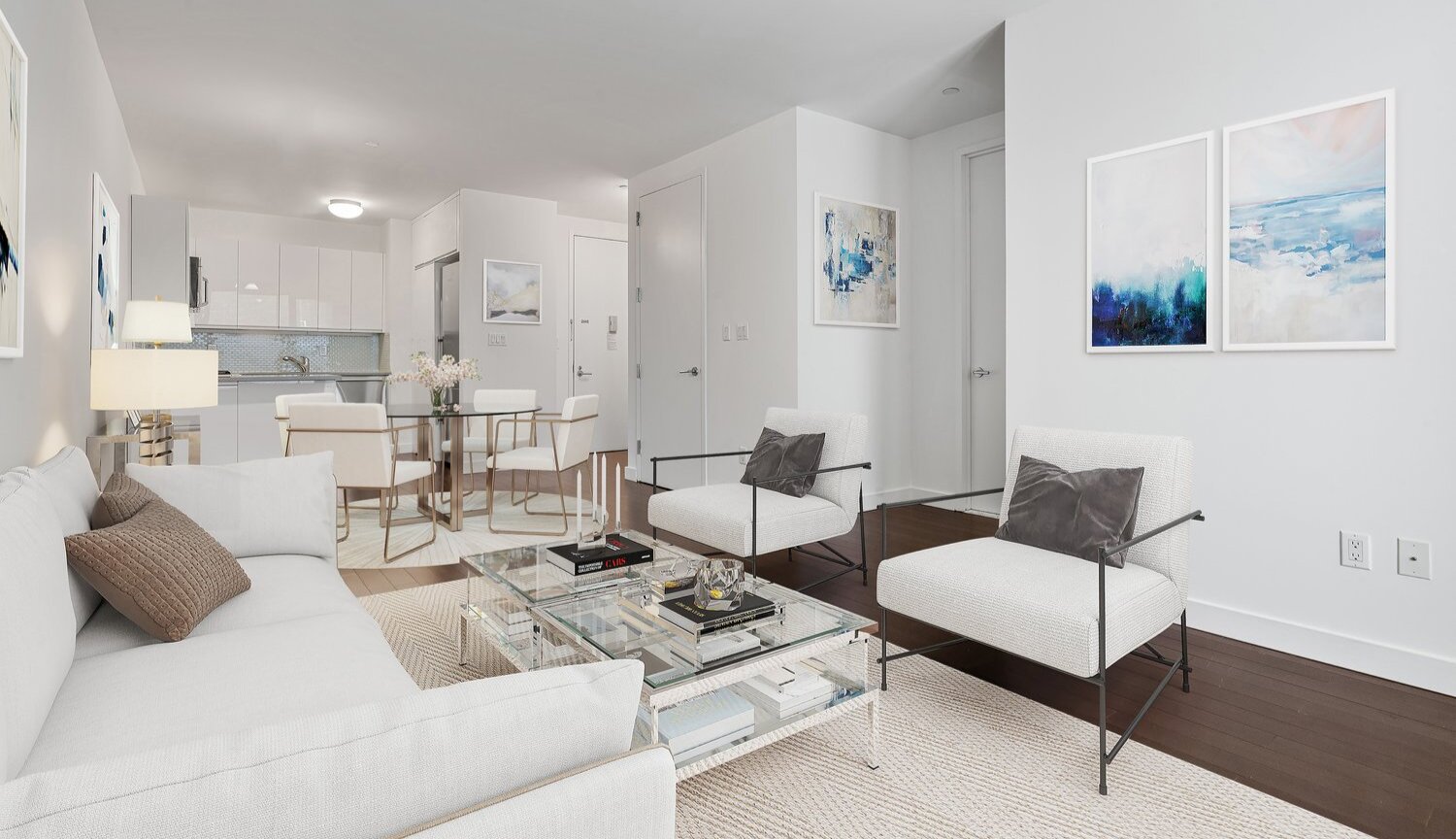
Virtual staging is the process of digitally adding furniture, rugs, artwork, and decor to a photograph of an empty or under-furnished room. A real estate photographer captures the space as it actually is, and a designer then builds a furnished version of that same image on a computer. Nothing physical enters the property at any stage.
The result is a photo that reveals a bare, uninspiring room dressed up as an inviting bedroom, kitchen, or lounge, ready for use in a listing. It is the same room a buyer would have skimmed in half a second, but hopefully, now holds their eye long enough to book a viewing.
The benefits of virtual staging
The appeal is clear when you see the numbers side by side, so let’s look at the main benefits of virtual staging solutions, broken down individually.
Cost
Physical staging means renting furniture, paying for delivery and setup, and covering a monthly fee until the home sells. Virtual staging removes all of that. You are paying a designer to work on an image, so the cost lands at a small fraction of the physical route. For an agent staging several listings a year, that difference adds up quickly, which is a large part of why so many now treat it as their default.
Speed
A physical stage has to be scheduled, delivered, and set up, which can take a week or two before your listing is ready to photograph. Virtual staging skips the logistics entirely. Once the empty room has been shot, a finished set of furnished images typically comes back within a couple of days. When you are racing to get a fresh listing live before the weekend, that speed is worth a great deal on its own.
Flexibility
One empty-room photo can become several different looks. You might show a bedroom styled as a calm modern retreat, then again as a warmer traditional space, and let buyers respond to whichever suits them. Physical staging locks you into a single arrangement. The best virtual staging for real estate gives you room to test styles and tailor the mood to the buyer you are trying to reach, all from the same original frame.
| ℹ️ Selling a high-end home? Strong luxury real estate photography gives virtual staging a flawless room to build on, and the results show it. |
The drawbacks of virtual staging
By the same token, none of that makes it a fit for every listing, and suggesting otherwise would do you a disservice. Weighing the pros and cons of virtual staging means being just as clear-eyed about where it falls down, with three problems coming up more than any others:
Buyer Expectation
If a listing looks fully furnished online and nobody has flagged that the furniture is digital, a buyer can arrive at a home full of empty rooms, feeling almost deceived, in some way. That is why disclosure is always prudent.
In fact, the NAR Code of Ethics requires agents to present a true picture in their advertising, and most MLS boards (along with a growing number of state laws) expect virtually staged photos to be clearly labeled as such. To that end, confirm the exact wording your local MLS uses before you publish, because the specifics change by market.
The In-Person Gap
While a staged photo helps someone scrolling on their phone, it does nothing to help a buyer standing in the actual room, trying to work out whether their sofa will fit or how the light falls in the afternoon.
Quality
Poor virtual staging (such as furniture that floats slightly off the floor or shadows that fall the wrong way) looks obviously fake and undermines the trust you were trying to build.
For homes that sell on the strength of a walkthrough, the photo has already done its job by the time buyers arrive, and a cheap result can cost you more credibility than an empty room ever would. Of course, none of these are reasons to write off virtual staging, as there are valid reasons to use it when it genuinely helps. Just be honest about it when you do.
| ℹ️ Want buyers to walk the space before they visit? Pair virtual staging with immersive Matterport 3D tours and give them the full layout, room by room. |
How to choose the right virtual staging solution
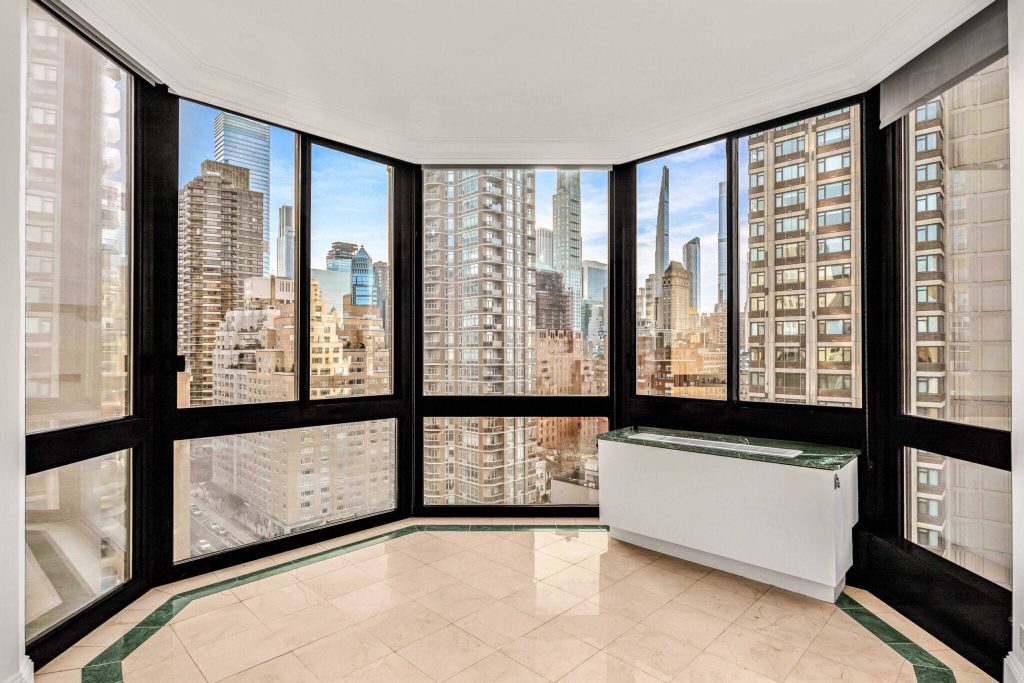
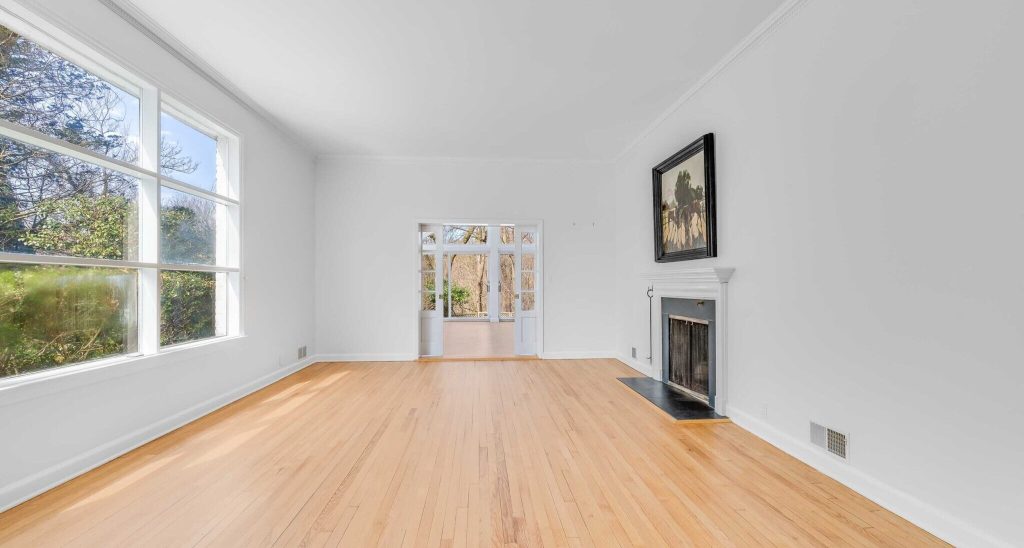
Choosing the best virtual staging for real estate really comes down to knowing when to use it and who to target. Virtual staging earns its keep on vacant listings, on dated homes where the current furniture works against the sale, and anywhere buyers will form a first impression online before they ever book a viewing. It works best when the empty space has been shot well in the first place, so it is worth preparing a vacant listing properly before the camera arrives.
Conversely, it is the wrong tool for disguising a genuine defect or for a property that lives or dies on the in-person feel.
Either way, when you compare providers, try to look past the price, because, as with most things in life, you get what you pay for. Realistic lighting and natural shadows are what separate convincing work from the cartoonish, clumsy kind.
Proportional accuracy is also important, since furniture scaled incorrectly makes a room appear a different size than it truly is. And a good provider will build disclosure into the workflow rather than leaving you to sort it out.
| Consideration | Physical staging | Virtual staging |
|---|---|---|
| Cost | High; furniture rental plus monthly fees | Low; a fraction of the physical cost |
| Turnaround | One to two weeks to arrange | A couple of days once photographed |
| In-person impact | Buyers experience real furnished rooms | No effect on the walkthrough |
| Flexibility | One fixed arrangement | Multiple styles from one photo |
| Disclosure | Not required | Required: label photos clearly |
Good virtual staging solutions start with strong source photography, so the quality of the underlying image sets the ceiling for everything that follows. That is always worth remembering when you brief the job.
Bottom Line
An empty room asks a buyer to do the imagining, but a well-staged one does it for them. That is the whole case for virtual staging on a vacant or dated listing, and for the money and the few days it takes, there’s few marketing spends that pull their weight so reliably.
Use it where the home will be judged on screen before anyone rings the doorbell, be upfront that the furniture is digital, and give the designer a clean, well-shot room to work from. Get those right, and a listing that was sliding past buyers starts stopping them instead.
When the listing is ready for that lift, see our virtual staging options, and we will turn a set of empty rooms into a home that buyers can actually picture themselves in. Just send over the photos, and you can expect the staged images back within a day or two.
Frequently asked questions
Do I have to disclose virtual staging to buyers?
Yes. NAR ethics rules and the majority of MLS boards require virtually staged photos to be clearly identified, and some states now mandate it by law. Check your local MLS rules for the exact labeling wording, as requirements vary by market.
What are the pros and cons of virtual staging?
The pros are lower cost, a turnaround of days rather than weeks, and the freedom to try several styles from one photo. The cons are that it does nothing for buyers touring in person, poor-quality work can look fake, and staged photos must be disclosed. Weigh the pros and cons of virtual staging against how your buyers will actually view the listing.
How much does virtual staging cost?
It costs considerably less than physical staging, with no furniture rental or monthly fees involved. Pricing depends on the number of rooms and the finish you are after.
Can virtual staging be done in any room?
Most interior spaces work well, from living rooms and bedrooms to kitchens and home offices. It performs best in empty or lightly furnished rooms, where the designer has a clean canvas to build on.
How long does virtual staging for realtors take?
Turnaround is usually a couple of days once the empty room has been photographed. That is far quicker than arranging a physical stage, which is a big reason agents lean on it for fast-moving listings.


No Comments