
29 Jun What is Virtual Staging? Your Guide to Real Estate Enhancement
A vacant property is one of the hardest sells in real estate. Buyers scroll past empty rooms, struggle to gauge scale, and fail to picture their lives unfolding in a bare, echoing space.
When buyers can’t see the potential, you end up with longer days on market and smaller offers. Virtual staging is a much faster, cheaper alternative to the traditional route. Understanding the process can really transform how you approach your marketing going forward.
What Exactly Is Virtual Staging?
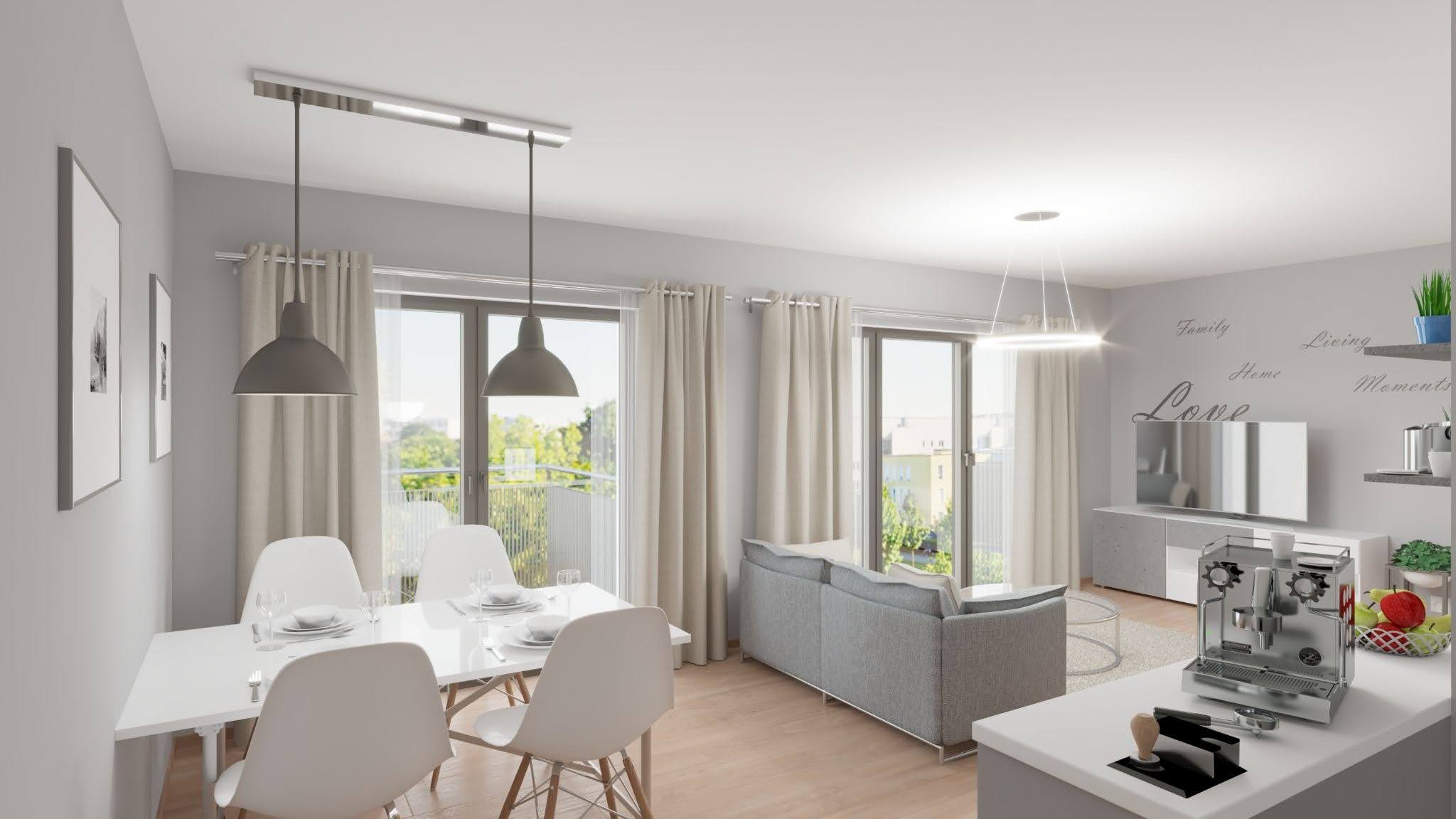
Virtual staging is the process of digitally furnishing and decorating photographs of a property using specialized design software.
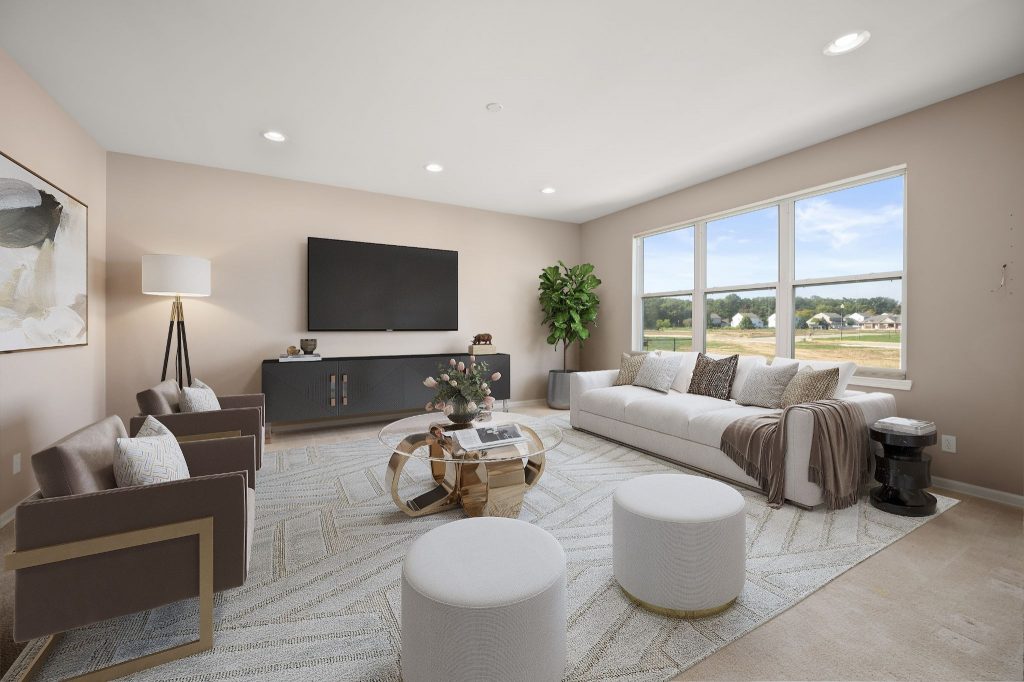
A professional editor takes high-resolution interior photos of an empty or poorly furnished space and populates them with realistic 3D furniture, artwork, rugs, lighting fixtures, and decor.
The finished images look indistinguishable from a professionally staged home, yet not a single piece of furniture has physically entered the building.
This approach is far more than basic photo editing, which corrects such aspects as brightness, color balance, and lens distortion.
Virtual staging goes several steps further by adding entire layers of photorealistic content that transform the perceived atmosphere and livability of a room. The goal is emotional resonance: buyers should look at the image and immediately feel the home’s potential.
With virtual staging, blank spaces are transformed into fully imagined living environments that feel natural and inviting. Instead of asking buyers to use their imagination, the images help tell a story about how the home could be lived in and enjoyed.
How Virtual Staging Works: The Digital Transformation Process
Most people don’t realize how much of a system is actually behind it. For a standard project, the workflow usually looks something like this:
- Photography: A photographer shoots each room with a wide-angle lens and a tripod, prioritizing clean light and straight lines.
- Briefing: The client nominates a style direction and highlights which rooms matter most for the campaign.
- Digital furnishing: Designers work 3D furniture models into each image, matching the room’s perspective, proportions, and natural light sources.
- Rendering and refinement: High-resolution composites are produced and refined until shadows, textures, and reflections sit convincingly within the space.
- Delivery: Final files optimized for both web and print are delivered, usually within 24 to 48 hours.
That quick turnaround is why virtual staging works so well compared to the traditional route. You don’t have to deal with furniture trucks, delivery windows, or contractors bumping into each other while they’re still finishing up work on the house.
Key Components of a Virtually Staged Image
Not all virtual staging is the same, so you need to be able to tell the difference between a high-quality room and one that looks like a cheap video game. The shots that actually fool people usually have a few things in common:
- Accurate perspective matching: Every piece of furniture must follow the same vanishing points as the room itself. A mismatch here is what makes amateur edits look pasted in.
- Realistic lighting and shadows: Furniture casts shadows consistent with the light sources visible in the original photo. This is often the detail that fools even trained eyes.
- The right scale: If the couch looks like it would crush the room, or if the dining table looks like a toy in the middle of the floor, people will know it’s a fake.
- A look that makes sense: The pillows, rugs, and art need to actually go together. You don’t want the place looking like a random furniture warehouse where nothing matches.
- High-resolution source files: No amount of editing skill can compensate for a blurry or poorly exposed base photo.
The Benefits of Virtual Staging for Real Estate Professionals
Real estate professionals operate under constant pressure to differentiate their listings in crowded markets. Virtual staging in real estate directly addresses the most common friction points: cost, speed, and buyer engagement. The advantages compound quickly once you factor in how buyers actually search for homes today.
The quality of listing photos is the first impression. An image that communicates warmth, space, and lifestyle will outperform a bare room every time.
Sell faster, for more! Virtual staging is a powerful tool for captivating buyers and accelerating sales.
Cost-Effectiveness and Time Savings
Virtual staging in the U.S. typically runs between $10 and $100 per image. AI-driven services and subscription plans sit at the lower end; premium options with designer review come in higher.
It’s also much faster. Traditional staging can take over a week, including scheduling and installation, whereas virtual staging is typically completed within a day or two.
For agents in competitive markets like Westchester County, that kind of speed can mean the difference between capturing peak buyer interest and missing the window.
| Factor | Physical Staging | Virtual Staging |
| Average cost (5 rooms) | $3,000 – $8,000+/month | $10–$100 per image (one-time) |
| Turnaround time | 5 – 14 days | 24 – 48 hours |
| Furniture logistics | Rental, delivery, setup required | None |
| Ongoing monthly cost | Yes (rental fees) | No |
| Style flexibility | Limited by inventory | Unlimited |
Expanding Buyer Appeal and Visualizing Potential
Most buyers find it genuinely difficult to visualize a furnished space from an empty room. Virtual staging makes that possible without the difficulties associated with renting actual furniture.
It also allows a single property to appeal to multiple demographics. A bedroom can be staged as a children’s room in one version and a home office in another, serving different buyer profiles with the same base photographs. That flexibility is much harder to achieve with physical staging.
Marketing Flexibility and Online Engagement
Virtually staged images are digital assets by nature, which means they are immediately ready for every channel where buyers are looking.
MLS listings, Instagram and Facebook ads, email campaigns, and real estate portals all benefit from the same polished files. There is no need for a separate photoshoot for digital versus print use.
Great photos also keep people from clicking away the second they land on your page. When buyers actually stick around to look through high-quality shots, it tells the search algorithms that your listing is worth showing to more people. It even looks better on the backend for your brokerage’s own stats.
If you want your Westchester listings to stand out from the first click, pairing great photography with virtual staging is a highly effective strategy. Our real estate photography services are specifically designed to provide virtual staging editors with high-quality base images.
Virtual Staging vs. Traditional Staging: A Comparative Look
It isn’t a matter of one being better than the other. Both have their place, and knowing when to use which can help you make a better call for each specific property. It mostly comes down to what you need: virtual staging for speed and low costs, or traditional staging if you need buyers to actually sit on the furniture.
When Traditional Staging Shines
Physical staging has a distinct advantage for occupied showings. Buyers who walk through a home professionally staged with real furniture, fresh flowers, and ambient scents experience something that images cannot replicate.
For luxury properties in Westchester priced at $3 million or above, the investment in physical staging often justifies itself through buyer perception and negotiating position.
Open houses also benefit from physical staging. A beautifully arranged living room creates a mood and generates emotional responses that help buyers fall in love with a property on the spot. If foot traffic and in-person presentations are central to your sales strategy, physical staging remains a compelling option.
When Virtual Staging is the Superior Choice
Vacant properties are the clearest use case for virtual staging in real estate. An empty home photographs poorly and gives buyers no visual anchor. Digitally adding furniture costs a fraction of physical staging’s price and can be done before the listing even goes live.
Remote or out-of-market listings are another strong fit. If a property owner lives in another state and cannot be present to oversee staging logistics, virtual staging removes all the coordination complexity.
Budget-sensitive listings, estate sales, and investment properties where minimizing pre-sale spend is a priority all benefit from the same logic.
Hybrid Approaches: Combining the Best of Both Worlds
Some of the most effective marketing strategies use both methods in sequence. A seller might use virtual staging to create compelling online listing photos before physically staging the property for open houses.
This gets the property in front of buyers faster while still delivering a premium in-person experience when showings begin.
Another common hybrid approach is to physically stage only the key rooms (living room, primary bedroom, kitchen) and use virtual staging to complete the remaining spaces.
This keeps physical staging costs contained without compromising the visual quality of the full listing.
Types of Virtual Staging Services and What to Expect
Virtual staging is not a single service. It encompasses several distinct applications, each suited to a different marketing challenge. Knowing what is available helps you match the right tool to the right problem.
Staging Vacant Properties
This is where virtual staging is most often used. We take empty rooms and add digital furniture to make them feel lived-in and welcoming. Our editor follows a specific style guide to ensure the decor matches the house and the type of buyer you are targeting.
A modern condo in the city will have a completely different look than a classic colonial in Westchester.
Decluttering and Depersonalizing Existing Homes
Occupied homes often have the opposite problem from vacant ones: too much stuff. Family photos, collections, and personal items can make it harder for buyers to project themselves into the space.
Virtual editing can remove clutter, replace dated furniture with updated pieces, and create a cleaner, more neutral presentation without disrupting the seller’s daily life.
Virtual Renovations and Remodels
In this case, virtual staging becomes something closer to architectural visualization. Editors can digitally replace flooring, repaint walls, update kitchen cabinets, and even remove non-structural walls to show buyers what a property could look like after renovation.
This is particularly valuable for fixer-uppers where the asking price accounts for work that buyers may struggle to envision.
Commercial Property Virtual Staging
Office spaces, retail units, and mixed-use properties also benefit from virtual staging. An empty open-plan office floor looks very different once it is populated with desks, partitions, and branded design elements.
Commercial buyers and tenants, like residential ones, respond to spaces that feel functional and ready to use.
Implementing Virtual Staging: Best Practices and Tips for Success
Getting the most out of virtual staging requires some preparation on the front end. Providers can only work with what they are given, so the quality of your source photographs and the clarity of your style direction significantly affect the final result.
Maximize impact: High-quality source photos are key to stunning virtual staging results.
Choosing the Right Virtual Staging Provider
Quality is all over the place in this industry, so you really have to dig into a provider’s portfolio before you hire them. Check whether their furniture looks like something people actually buy today or like a dated 3D model from ten years ago.
You should also get clear answers on their turnaround times and how they handle revisions before you pay. Usually, it is better to go with a company that specializes in real estate specifically. They understand MLS rules and listing formats way better than a general graphic design shop that mostly does commercial CGI.
Preparing Your Property for Virtual Staging Photos
If the base photo is poor, the virtual furniture will never look right. You need a clean, well-lit shot to make the digital staging look believable. Here is a quick checklist for the shoot:
- Clean the floors: Sweep up any debris and hide those messy phone chargers or cleaning supplies.
- Timing is key: Only shoot during the day and flip every light switch in the room to create an inviting vibe.
- Don’t go too wide: Stick to a 16mm or 24mm lens so you get the whole space without making the walls look curved.
- Check your perspective: Keep the camera at chest height, around 4 or 5 feet, so the room feels properly scaled.
- Over-shoot the space: Take multiple shots of each room so the editors can choose the one that best showcases the furniture.
Our professional real estate photography services include taking images with virtual staging in mind, ensuring the composition, exposure, and lens choices give editors the best possible starting point.
Ethical Considerations and Disclosure
Transparency matters. Virtually staged images should be clearly labeled as such in any listing where they appear.
Presenting a virtually staged image as an accurate depiction of a furnished property without labeling it as digitally enhanced could mislead buyers about what they will actually find during a showing.
The standard way to handle this is to add a “Virtually Staged” caption or watermark to the photo. This covers the agent and the seller while keeping everything transparent.
When buyers know they are looking at a digital preview of what the house could be, they are much less likely to feel tricked when they walk into an empty room.
Improve Your Westchester Property Listings with At Home Media
Virtual staging works well on its own, but it really stands out when the photography itself is high-quality. At Home Media focuses on visual marketing throughout Westchester County, and we operate on the idea that every home should be presented as effectively as possible.
Our aerial photography and drone imaging services give listings a perspective that ground-level photography cannot. A sweeping aerial shot of a property’s lot, landscaping, proximity to local amenities, or Westchester’s distinctive neighborhoods tells a story that interior images alone cannot.
Combined with professionally shot interiors that are prepped for virtual staging, you get a complete visual package that works across every marketing channel.
Discover how At Home Media’s aerial photography complements virtual staging for outstanding property presentation.
Westchester County is a competitive market. Buyers have high expectations, and agents who invest in superior visual content consistently see the results in engagement, offer speed, and final sale price. The properties that capture attention online are the ones that earn showings, and showings lead to offers.
Get Started on Your Next Project
If you are ready to take your property listings to the next level, explore what At Home Media can do for your next project. From drone photography to expertly composed interior shots that serve as ideal virtual staging canvases, we bring a complete visual marketing perspective to every property we work with.
Contact At Home Media today and find out how we can help your Westchester listings make the kind of first impression that converts browsers into buyers.


No Comments